
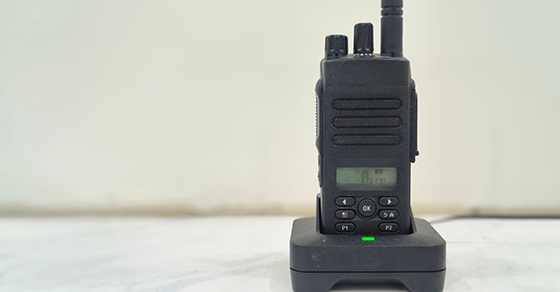
Two-way radios are still one of the most reliable communication tools available today. Whether you’re organizing an outdoor event, managing a construction crew, or heading into remote territory, a well-chosen radio system can keep your team connected when cell signals fall short. If you’re new to using two-way radios, understanding how they work, especially when it comes to channels, privacy codes, and communication etiquette, is key to getting the most out of your gear.
The Essentials of GMRS Two-Way Radio Use: Channels, Codes & Etiquette
What Are Radio Channels and How Do They Work?
Channels are specific frequency paths that two-way radios use to send and receive messages. Each channel represents a different frequency, and radios need to be on the same one to communicate.
Most consumer-grade models, like many Motorola radios, include a preset number of channels, commonly 22 on FRS/GMRS units. These channels help separate conversations, allowing different teams or groups to avoid talking over each other. For example, a construction crew might use Channel 5, while a security team sticks to Channel 12.
Using separate channels keeps communication clear and focused. It also allows for easier coordination across multiple groups on the same site.
Understanding Privacy Codes (CTCSS & DCS)
Privacy codes work alongside channels to filter out unwanted chatter. While they don’t make a conversation private, they stop your radio from playing transmissions from others who are on the same channel but using a different code.
There are two types:
- CTCSS (Continuous Tone-Coded Squelch System): Uses analog tones to block outside interference.
- DCS (Digitally Coded Squelch): Uses digital codes for the same purpose and can offer more options.
For example, if you’re using Channel 3 with a CTCSS code of 15, you’ll only hear other radios also set to Channel 3 and that specific code. This is especially useful in crowded areas where multiple teams are using radios.
To select a privacy code on most walkie-talkie models, use the menu button to navigate to the code settings and select from the available options. Many Motorola radios have both CTCSS and DCS settings, often labelled as “Interference Eliminator Codes.”
Common Etiquette Rules for Radio Communication
If you’re new to two-way radios, knowing the do’s and don’ts can prevent confusion and make communication more efficient. Keep these etiquette tips in mind:
- Wait a second after pressing the talk button before speaking: This helps avoid cutting off the first part of your message, which can happen if the radio takes a moment to begin transmitting.
- Keep messages brief and to the point: Short transmissions reduce channel congestion and make it easier for others to understand important information quickly.
- Identify yourself at the start of the transmission: Stating who is speaking helps the listener know exactly where the message is coming from and whether they need to respond.
- Use clear and simple language: Straightforward wording reduces the chance of confusion, especially in noisy environments or during urgent situations.
- Don’t interrupt ongoing transmissions: Waiting your turn prevents overlapping audio, which can make both messages difficult or impossible to understand.
Only one person can speak at a time, and while one user is holding the talk button, the other person cannot respond.
One additional tip for beginners: avoid speaking too close to the microphone. Hold the radio about two to three inches from your mouth and speak clearly to prevent distortion. Also, resist the urge to shout; your radio is built to pick up normal speech levels.
Tips for Choosing the Right Channel and Code for Your Group
Choosing a clear and interference-free channel is important for consistent communication. Here are some tips:
- Test channels before your event or shift starts to find the clearest option
- Avoid commonly used channels to reduce overlap with other users
- Pick a unique privacy code to filter out outside noise
- Establish a basic protocol: assign call signs or names, and agree on common phrases
Setting this up in advance makes it easier for everyone to stay in sync, especially in fast-paced or noisy environments.
Benefits of Learning Two-Way Radio Basics
Taking the time to understand how two-way radios work offers real-world benefits. Team communication becomes smoother, and coordination is faster. This is especially valuable in situations where timing and safety are critical.
Avoiding miscommunication helps prevent mistakes and delays. For example, using Motorola radios with privacy codes can eliminate chatter from other crews, ensuring your instructions reach the right people without distraction.
Even casual users, like families camping or hiking in remote areas, will notice the difference. Proper use means better range, clearer audio, and less frustration.
When your team knows the rules and follows a shared communication strategy, you minimize downtime and keep things moving efficiently. It’s a simple skill with big returns.
Why Two-Way Radios Are Still Essential Today
Despite the rise of smartphones, two-way radios continue to fill critical communication gaps. When you’re in areas with poor reception, during emergencies, or when you need to speak to multiple people instantly, radios are the go-to option.
That independence makes them especially useful in rural zones or during power outages. Plus, using a walkie-talkie lets you broadcast a message to your whole group without needing to dial individual numbers.
Whether it’s for work, travel, or preparedness, two-way radios remain an indispensable tool for staying connected.
Stay Clear, Stay Connected with Canada Two-Way
Learning how to use two-way radios properly helps keep communication clear when it matters most. Whether you’re coordinating crews, planning an event, or preparing for emergencies, knowing how to select channels, set privacy codes, and follow radio etiquette will set you up for success.
Reach out to Canada Two-Way today at 1 844-226-2845 or click here to get in touch online.